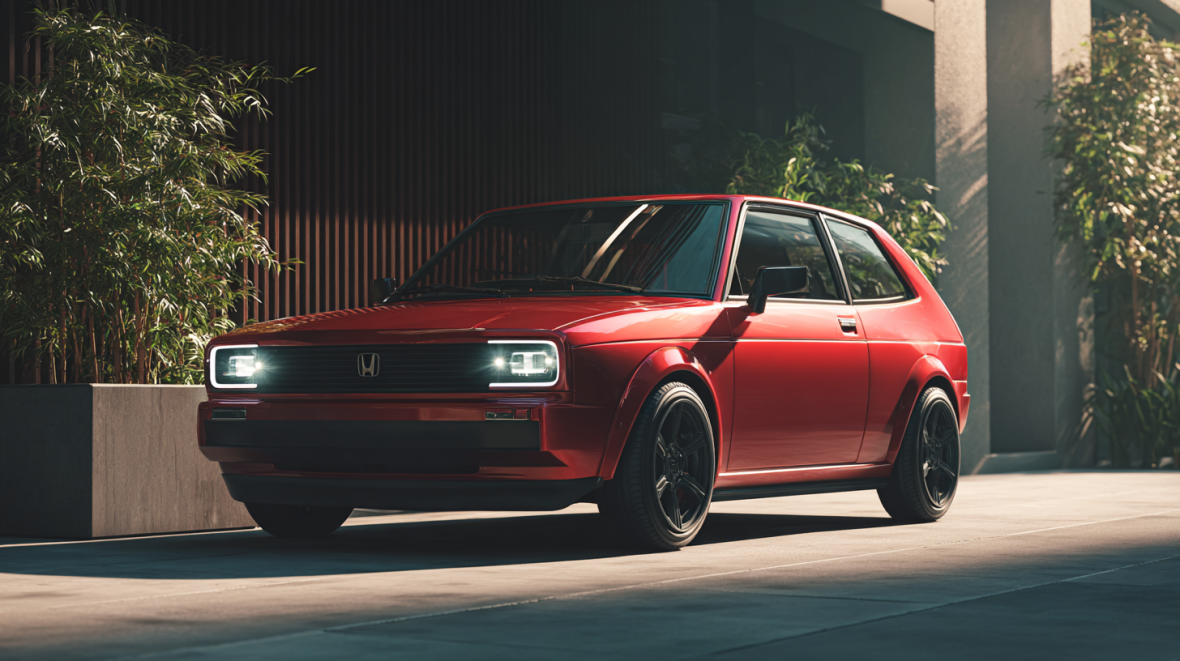
In the 1980s, Honda engineers were basically running on caffeine, ambition, and the collective desire to build something absolutely unhinged. That’s how the Honda City Turbo II happened. A tiny box-shaped hatchback that looked like someone sketched it during a boring math class, and the engineers somehow decided, “Yep, let’s build that.”
The City Turbo II wasn’t just a city car. It was the quiet kid who suddenly shows up with a jet engine strapped to his backpack. On paper it was a lightweight hatchback with a 1.2-liter engine, and in real life it was a tiny explosive device with a turbo that politely informed you: “I may be small, but buckle up.”
Honda cranked that little engine until it stopped behaving politely.
The Turbo II would shove the driver in the back with the same chaotic energy you use when sprinting to the fridge after school. They even threw in an intercooler because Honda engineers at the time obviously had “limits” set to “off.”
And the design… well, it was weird. Square, short, cartoonish. But that’s exactly why it became iconic. It didn’t look like anything else on the road, and that made it the poster child of Japan’s golden age of mechanical madness. And then there was the Motocompo: a foldable mini-motorcycle that fit in the trunk. What other manufacturer would do that? Exactly none. Only Honda in its prime.
The Turbo II became a legend not because it was the fastest. It became a legend because it had personality. It challenged logic, ignored rules, and delivered pure driving joy.

Honda City Turbo II — Specs (1980s original)

Power
110 hp with PGM-FI, around 100 hp on the earlier carb version.

Acceleration
About 8.6–9.0 seconds 0–100 km/h. Pretty wild for a tiny brick on wheels.

Top Speed
Around 180 km/h. Aerodynamics of a shoebox, but it still managed.

Engine
1.2 L turbocharged inline-4, intercooler, ER engine.
Early models had a carburetor, later ones switched to PGM-FI.

Range
Roughly 400–450 km on a full tank with calm driving.
Not that anyone drove it calmly.

Dimensions
Length: ~3380 mm
Width: ~1570 mm
Height: ~1470 mm
Weight: ~750–800 kg

Technology
Turbocharger
Intercooler
PGM-FI fuel injection (later models)
Sport-tuned suspension
Advanced engine electronics for its era
Compatibility with the Motocompo foldable scooter

Additional Features
Unique wide “Bulldog” body kit
Extended fenders
Sport seats
Very short wheelbase, making it fun and slightly chaotic to drive
Remote-controlled antenna
Read too:
Legendary Italian SUVs: Fiat Campagnola, Alfa Romeo Matta, Lamborghini LM002
New Honda City Turbo 2026
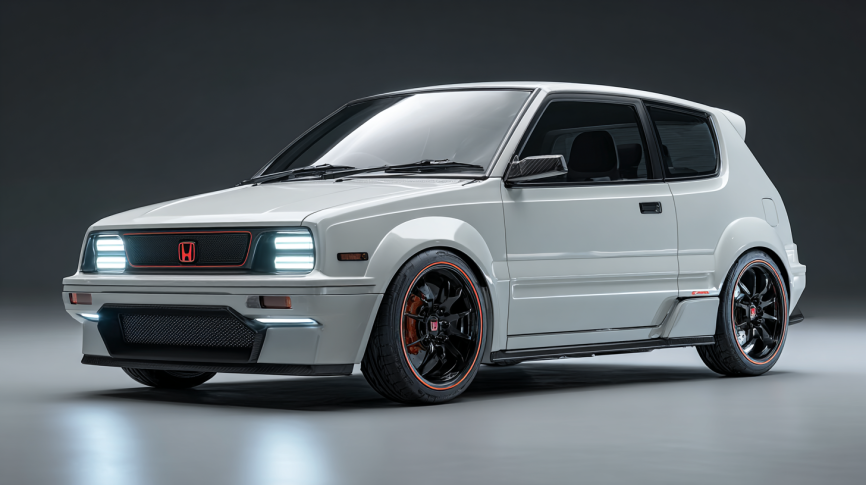
The new Honda City Turbo 2026 is a unique combination of the design of the old Honda Civic and Turbo 2, as well as a variant of the more modern versions, not restamods. These versions are inspired by the style of the old Turbo, but take the aggressive design of the new Honda and resemble the futuristic Civic in the three-door of the 2000s. In general, the new City has completely lost the DNA of the original Turbo, and this is very offensive, so it was very nice to revive such a car as the legendary City Turbo car, which was an icon of its era.
Read too:
New 2026 Mitsubishi Lancer Evo: a modern legend
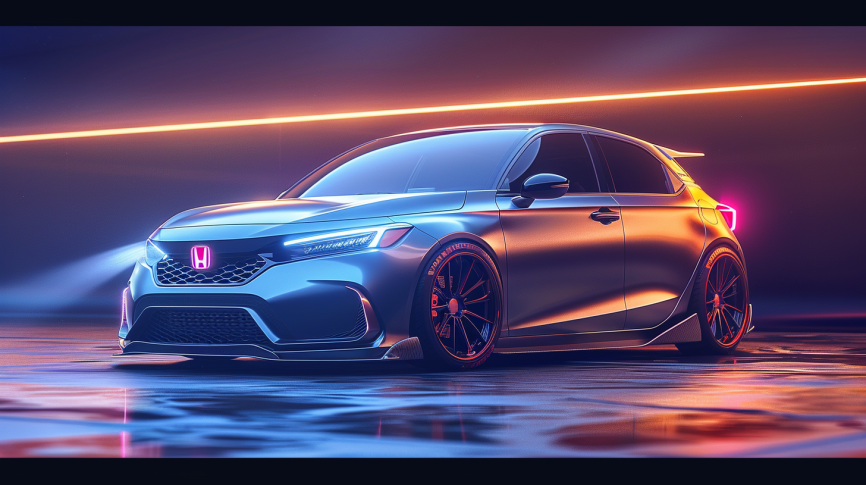
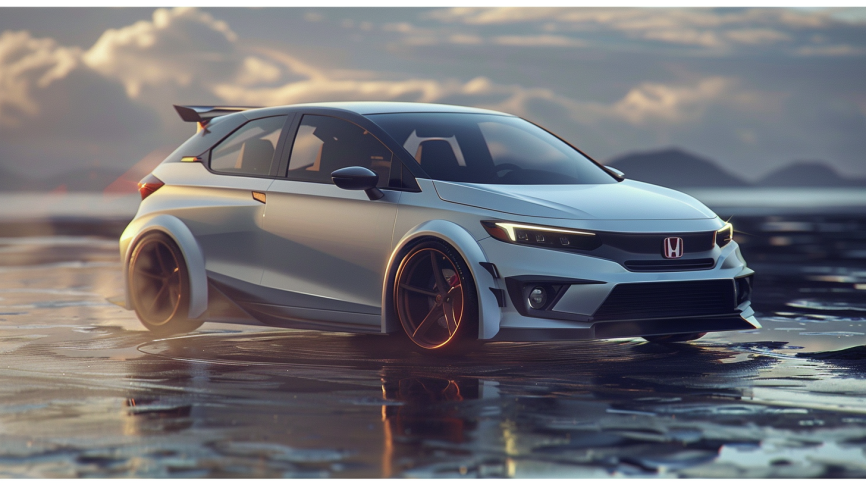
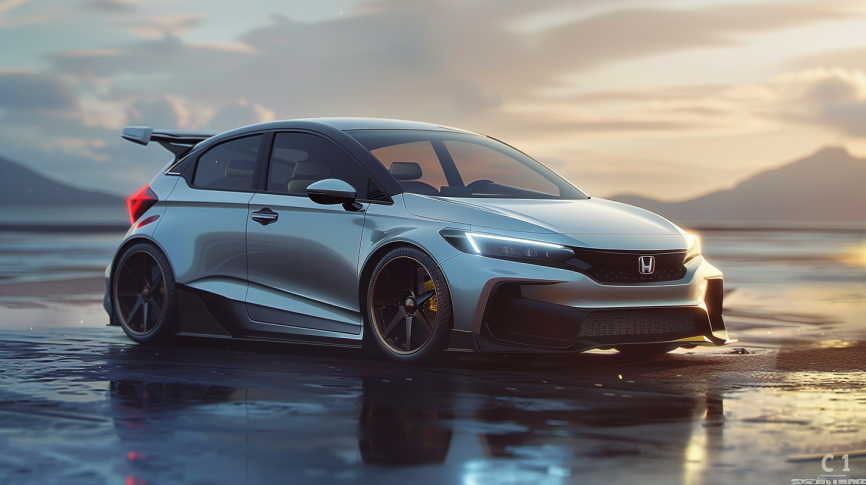
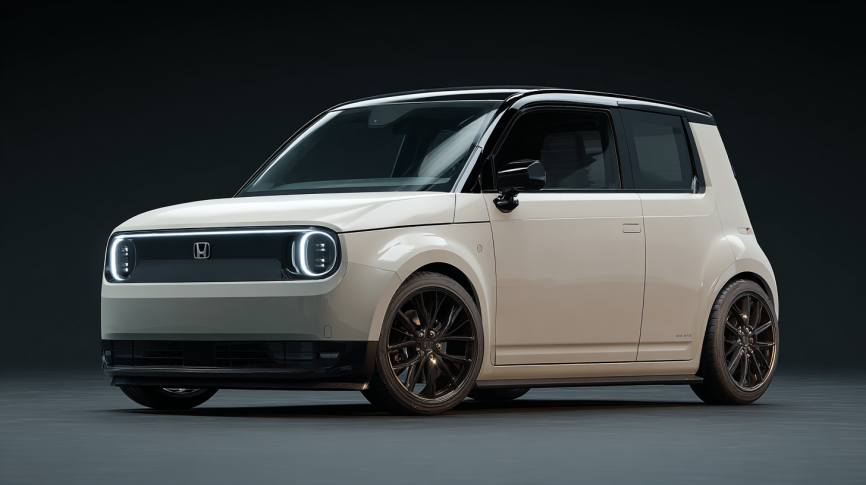
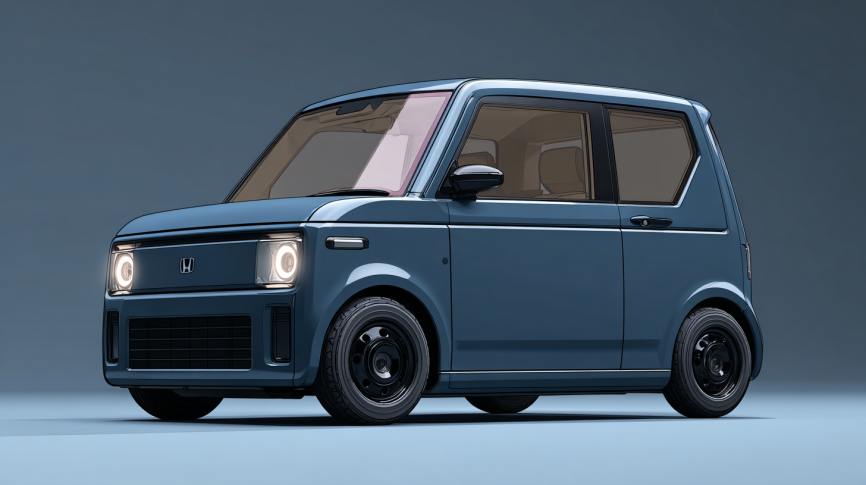
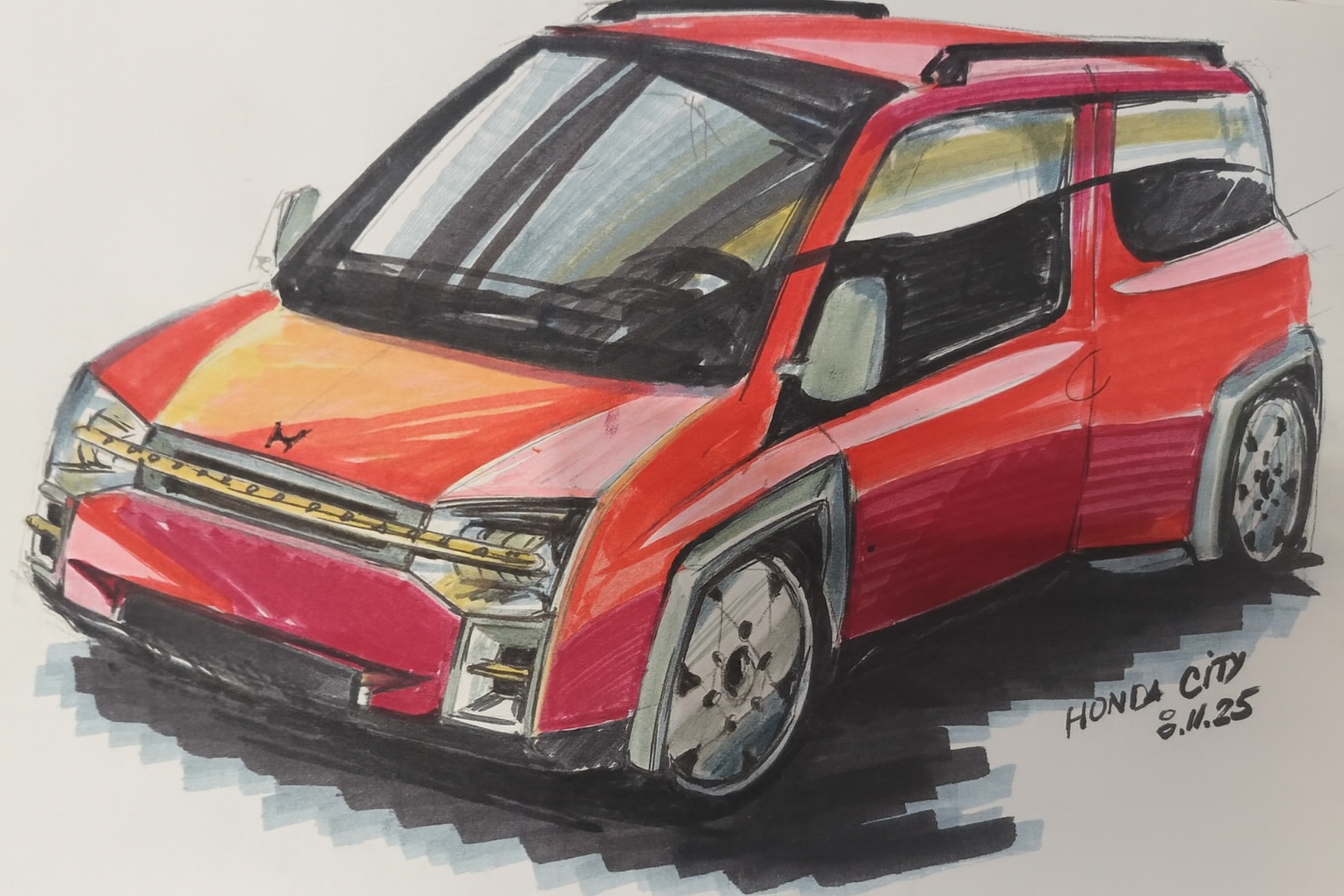
We were also given the exclusive work of one of the most outstanding and underrated designers of the century: Konstantin Golenko (the author of the ideas for many of our articles). His work clearly conveys the square shapes of the original Turbo, but adds original, uninspired headlights of a unique shape that does not resemble either the new Honda or the old Turbo 2.
Future Classics: 8/10
Brand Recognition: 10/10
Design Modernity: 9/10
CarsCorn Score: 9/10