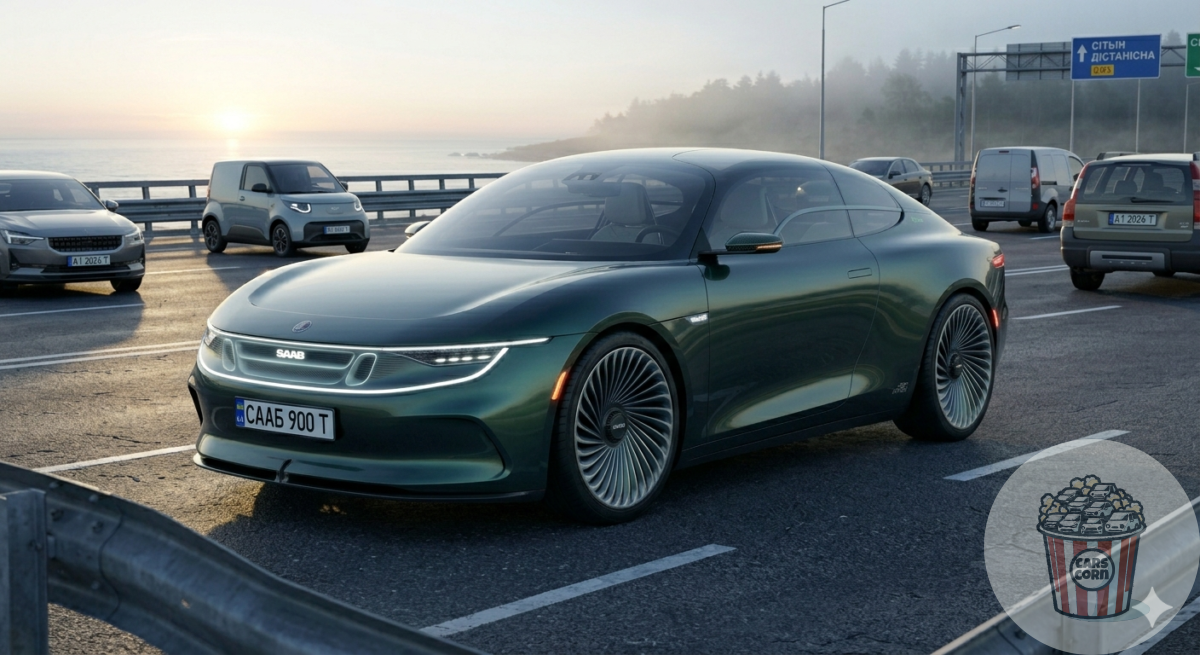
The Saab 900 was a car that somehow managed to be both weird and brilliant at the same time, which is basically the whole personality of Saab Automobile.
It was introduced in 1978 as a successor to the Saab 99. Calling it just a “successor” feels lazy. Saab engineers ignored normal car design rules. They stretched the old platform. They flipped the engine layout in a very Saab way. The result looked unusual but worked incredibly well, especially in harsh Scandinavian conditions.
From the beginning, the Saab 900 stood out because of its focus on safety and practicality. It had a strong body structure, advanced crumple zones for its time, and features like heated seats that felt almost futuristic back then. Saab also obsessed over ergonomics, placing controls where drivers actually needed them instead of where designers thought they looked cool. The ignition key between the seats is one of those details that confused everyone else but made sense for safety reasons.
In the 1980s, the Saab 900 became popular with people who didn’t want a boring German sedan but still wanted something solid and smart. Turbo versions played a big role. Saab helped push turbocharging into everyday cars. The 900 Turbo became a legend. It wasn’t just about speed. It was about usable power and efficiency. Many brands later pretended to understand that.
The car came in several body styles, including a three-door hatchback, a four-door sedan, and even a convertible. The convertible version, launched in the mid-1980s, became especially iconic, particularly in markets like the United States, where it was seen as stylish but also different from typical luxury brands.
By the early 1990s, the original Saab 900 was reaching the end of its life. In 1994, Saab introduced a new generation, often called the “New Generation 900,” which was built with more influence from General Motors, since GM had taken a stake in Saab. This version was more conventional, which, depending on who you ask, either made it better or completely ruined the charm.
The original Saab 900 remains a cult classic today. People who love it will defend it like it’s a personality trait, and honestly, they kind of have a point. It wasn’t perfect, but it had character, and in a world full of copy-paste cars, that’s rare.

Saab 900 turbo specs:
1. Power
~145–185 hp depending on year and spec. Not insane by today’s standards, but back then it could embarrass a lot of “faster on paper” cars.

2. Acceleration
0–100 km/h: ~8.5–9.5 seconds. The real magic wasn’t цифри, а той самий turbo punch in mid-range.

3. Top Speed
~200–210 km/h. More than enough to lose your license in most countries.

4. Engine
2.0L inline-4 turbocharged engine. Saab used low-pressure turbo setups focused on smooth, usable power rather than sudden chaos.

5. Range
~500–650 km depending on how often you decide to feel like a rally driver.

6. Dimensions
Length: ~4.68 m
Width: ~1.69 m
Height: ~1.42 m
Wheelbase: ~2.52 m

7. Technology
Turbocharging (Saab basically made it mainstream for daily cars)
Front-wheel drive
Advanced safety engineering for its era
Driver-focused ergonomics
APC system (Automatic Performance Control to prevent engine knock)

8. Additional Features
Ignition between the seats (yes, still weird, still smart)
Excellent visibility thanks to large glass areas
Hatchback practicality with huge cargo space
Iconic convertible versio
Strong winter performance (because Sweden, obviously)
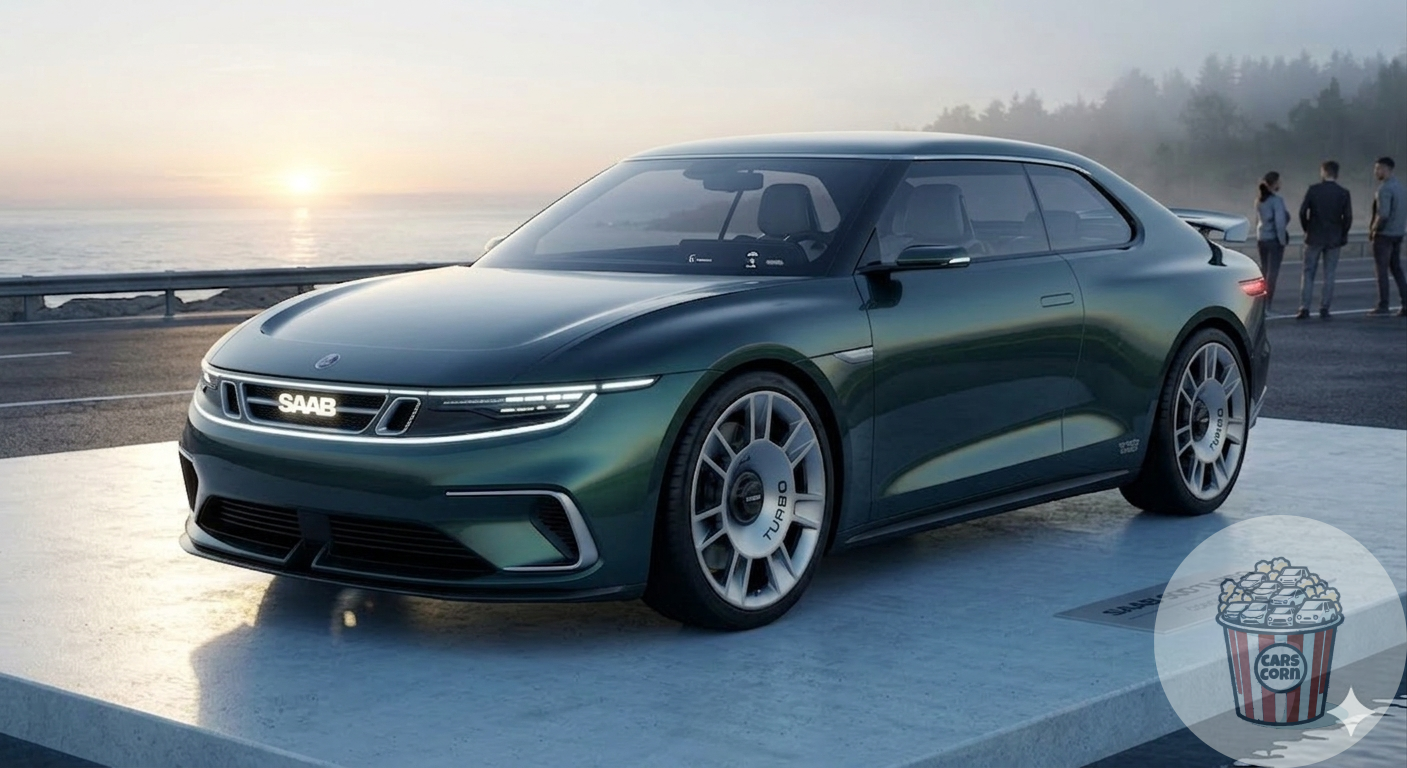
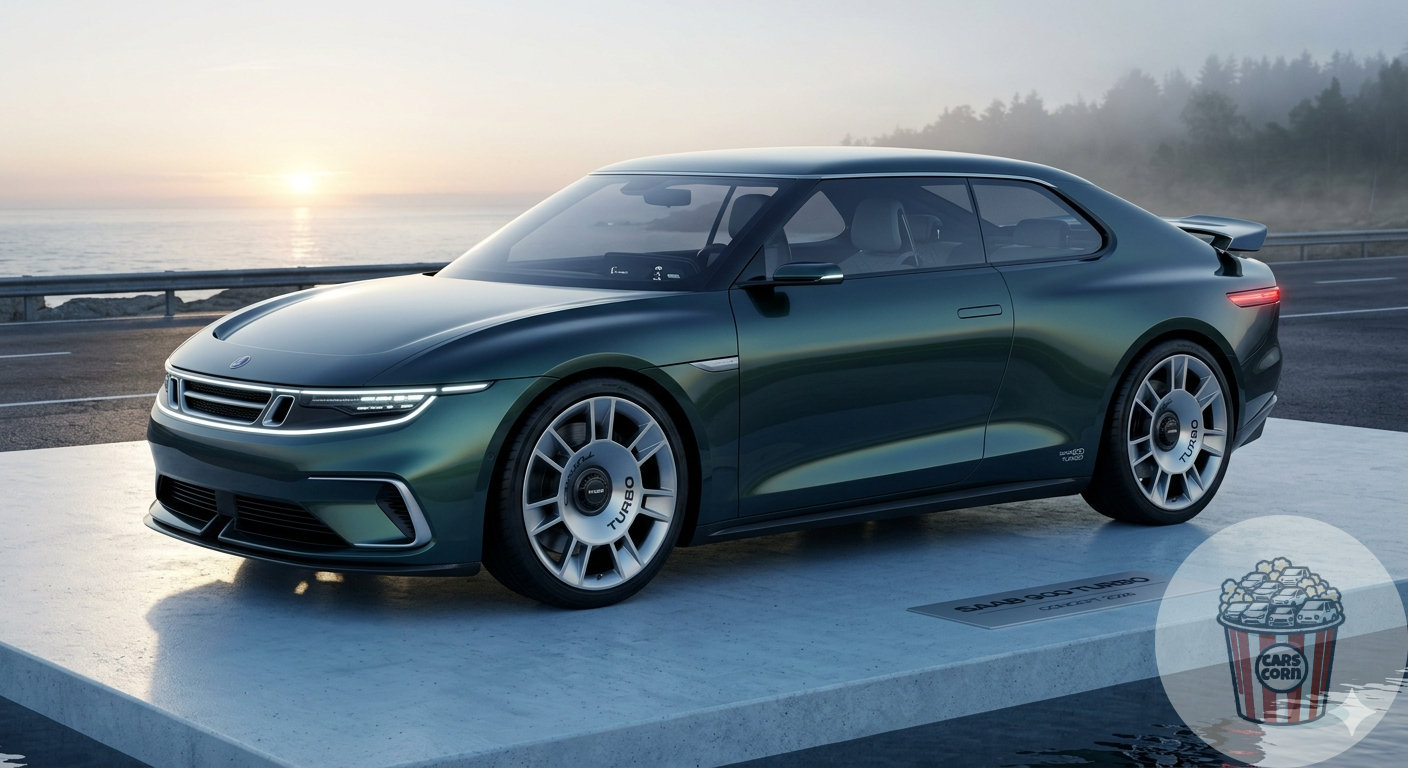
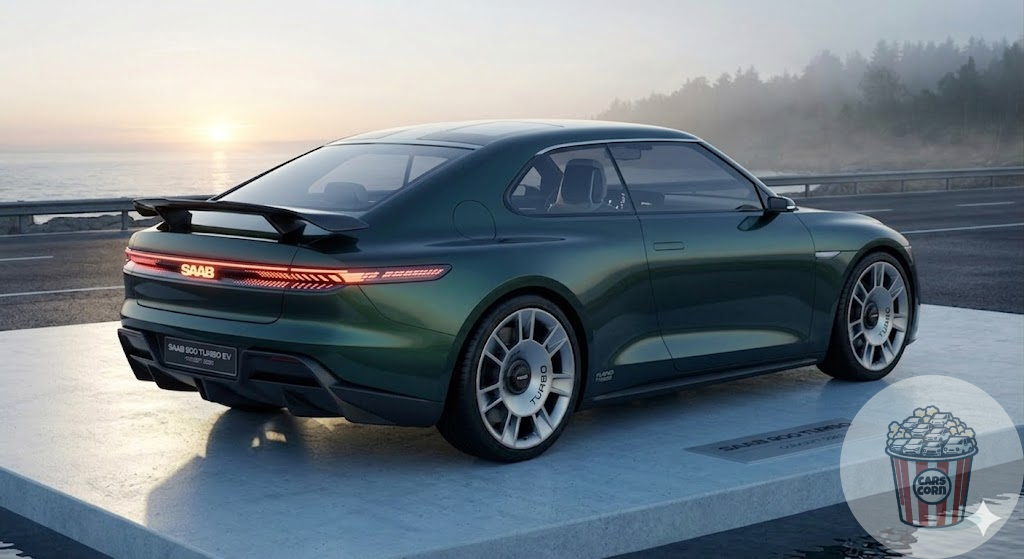
New Saab 900 turbo 2026:
Read too:
New Lotus Esprit 2026: not “Chinese”
Read too:
2026 Triumph TR3: the British dream
Future Classics: 9/10
Brand Recognition: 10/10
Design Modernity: 8/10
CarsCorn Score: 9/10