
Imagine the year 1976 at the Turin Motor Show. Spotlights hit a car that looks like a heist prize from an architect’s secret garage. This was the Lancia Gamma. Executives intended this flagship to reclaim the crown of technical mastery. Instead, the car wrote one of the most dramatic chapters in automotive history.
Lancia developed the Gamma while under Fiat’s ownership. However, the engineers kept their stubborn pride. They refused to follow the crowd. While Mercedes and BMW used reliable inline-six engines, the Italians demanded a “boxer” layout.
This massive 2.5-liter four-cylinder engine sat low in the chassis. This choice dropped the center of gravity and flattened the hood line. Because of this layout, the Pininfarina studio drew a breathtaking silhouette. The Coupe version especially stands out today. It remains a 1970s benchmark for elegance, mixing sharp lines with a futuristic lightness.
Italian masterpieces often hide a “devil” within their engineering whims. The Gamma’s unique technical problems felt like high tragedy. One famous flaw involved the power steering pump. The designers attached the pump drive directly to a camshaft.
In practice, this created a mechanical trap. If a driver started the car on a frozen morning with the wheels turned, the belt faced immense pressure. The belt would jump, and the engine would essentially commit suicide. It bent its own valves before the driver even left the driveway.
This self-destructive streak gave the Gamma a reputation as a “beautiful misfortune.” Poor rust resistance only made matters worse. Yet, drivers who tamed the Gamma enjoyed a peerless experience.
The front-wheel drive and independent suspension hugged the road with Italian passion. Inside, fashion-house fabrics turned the cabin into a Milanese living room. Intellectuals loved this car. They valued style over reliability. They forgave every whim just to feel that special glow on the motorway. Today, the Lancia Gamma serves as a rare artifact. It reminds us of an era when beauty alone justified a car’s existence.
Read too:
New Nissan Patrol 2026: Brutality in simplicity
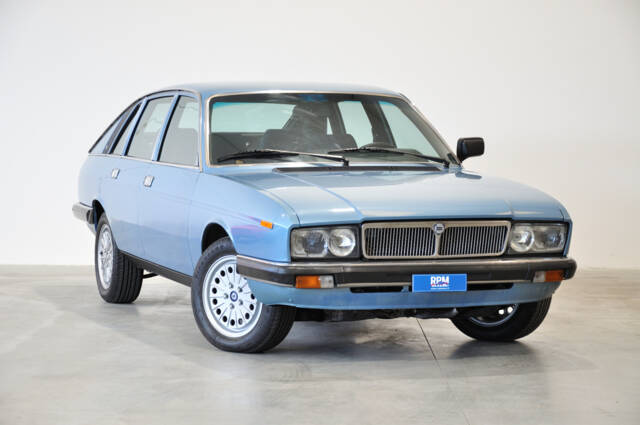
Lancia Gamma 2500 Specifications

1. Power: 140 hp (2.5L flat-four "Boxer")

2. Acceleration: 0–100 km/h: approximately 10 seconds

3. Top Speed: Approximately 195 km/h

4. Engine: 2.5L all-aluminum flat-four (Boxer), naturally aspirated, Weber carburetors (later Bosch L-Jetronic fuel injection), front-wheel drive, 5-speed manual transmission

5. Range: Approximately 550–650 km, thanks to a 78-liter fuel tank and average fuel consumption of 12–14L/100km

6. Dimensions * Length: ~4580 mm (Berlina) / 4480 mm (Coupe)

Width: ~1730 mm
Height: ~1410 mm (Berlina) / 1330 mm (Coupe)
Wheelbase: 2670 mm (Berlina) / 2555 mm (Coupe)
Weight: ~1290–1320 kg

7. Technology: Four-wheel disc brakes (dual-circuit system), fully independent MacPherson strut suspension (front and rear), power-assisted rack-and-pinion steering, low center of gravity due to the flat engine layout

8. Additional Features: Design by Pininfarina, luxury interior by fashion houses (e.g., Ermenegildo Zegna), distinctive aerodynamic "crease" on the rear of the Coupe, advanced (though temperamental) belt-driven power steering system, adjustable steering column
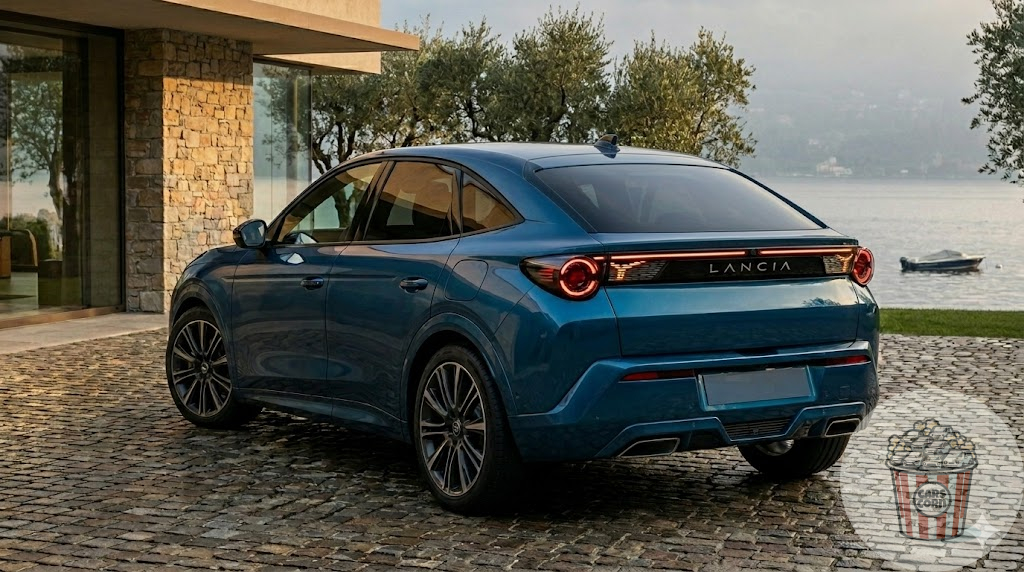
New 2026 lancia Gamma
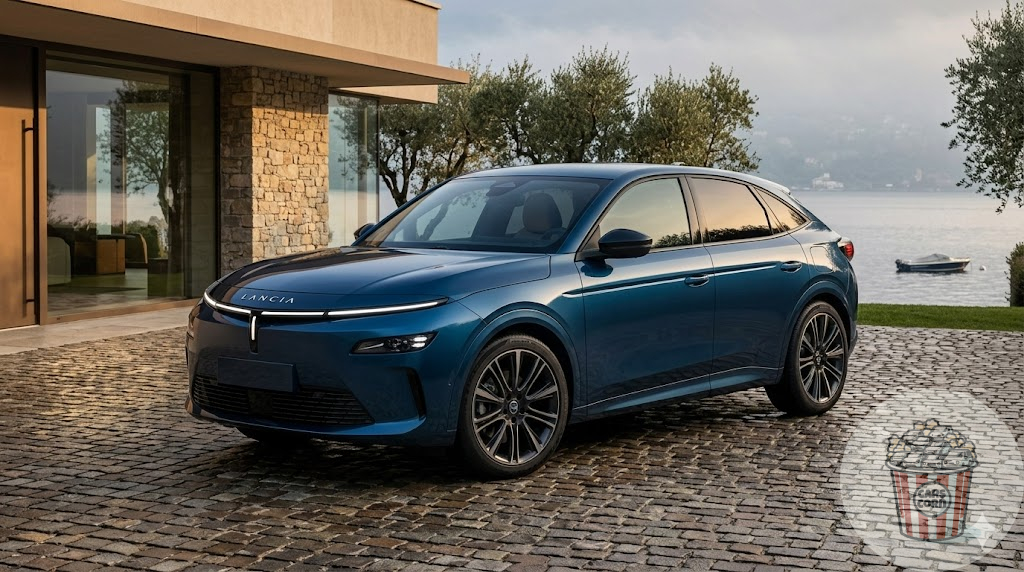
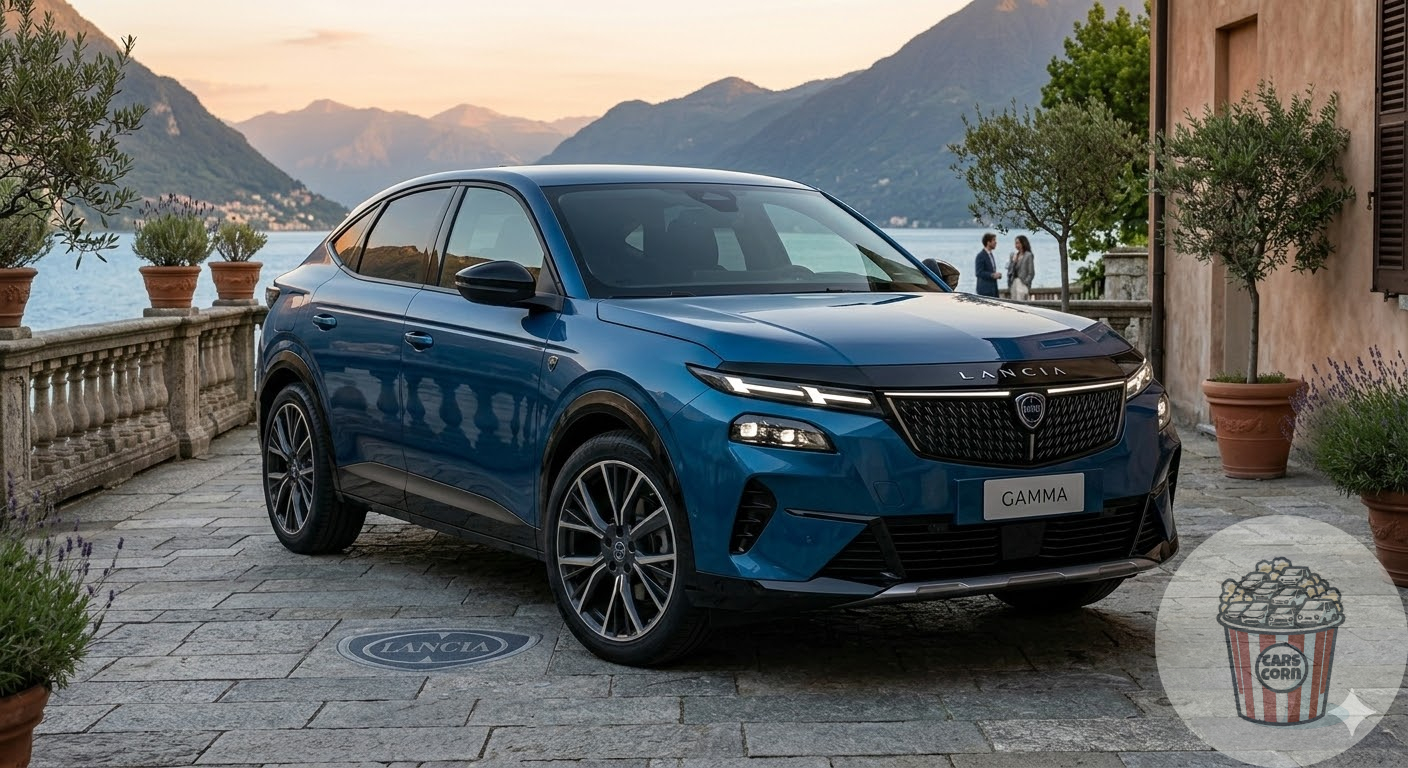
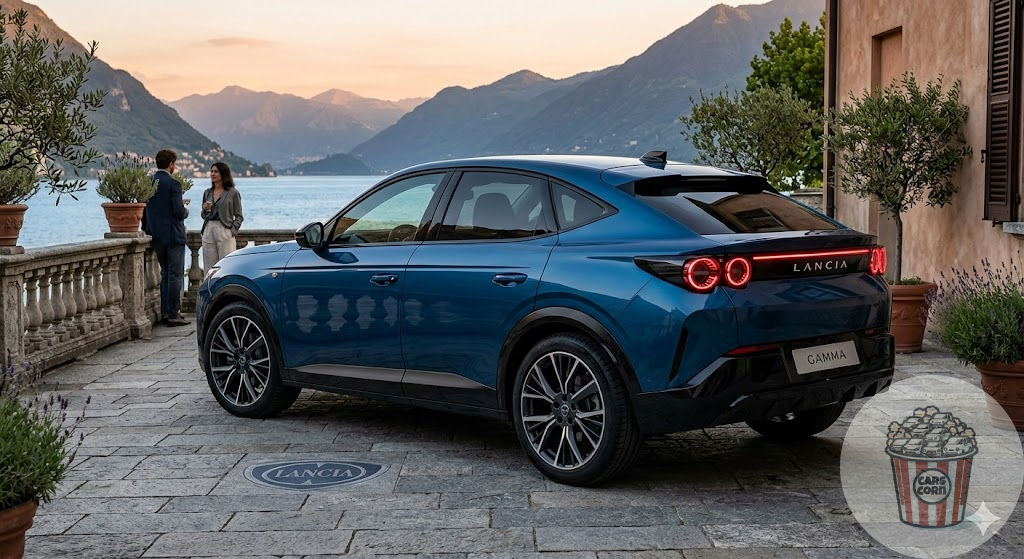
We recently saw that Lancia is planning to revive the legendary Gamma, which is already 50 years old, in the form of a crossover, so we decided to fantasize about what it could be. The new 2026 Lancia Gamma has clear epsilon features and a sporty style that emphasizes the features of the old Lancia Gamma 2500, such as the side line for example. There is also a conceptual version of the sedan (photo preview) and a Fastback with a design without Ypsilon features but with its own unique identity. As for the rear, it was also inspired by Ypsilon, but has a more interesting design.
Read too:
Cars that saved brands from bankruptcy: Volkswagen Golf, Lamborghini Galardo and others
Future Classics: 9/10
Brand Recognition: 10/10
Design Modernity: 9/10
CarsCorn Score: 9.3/10