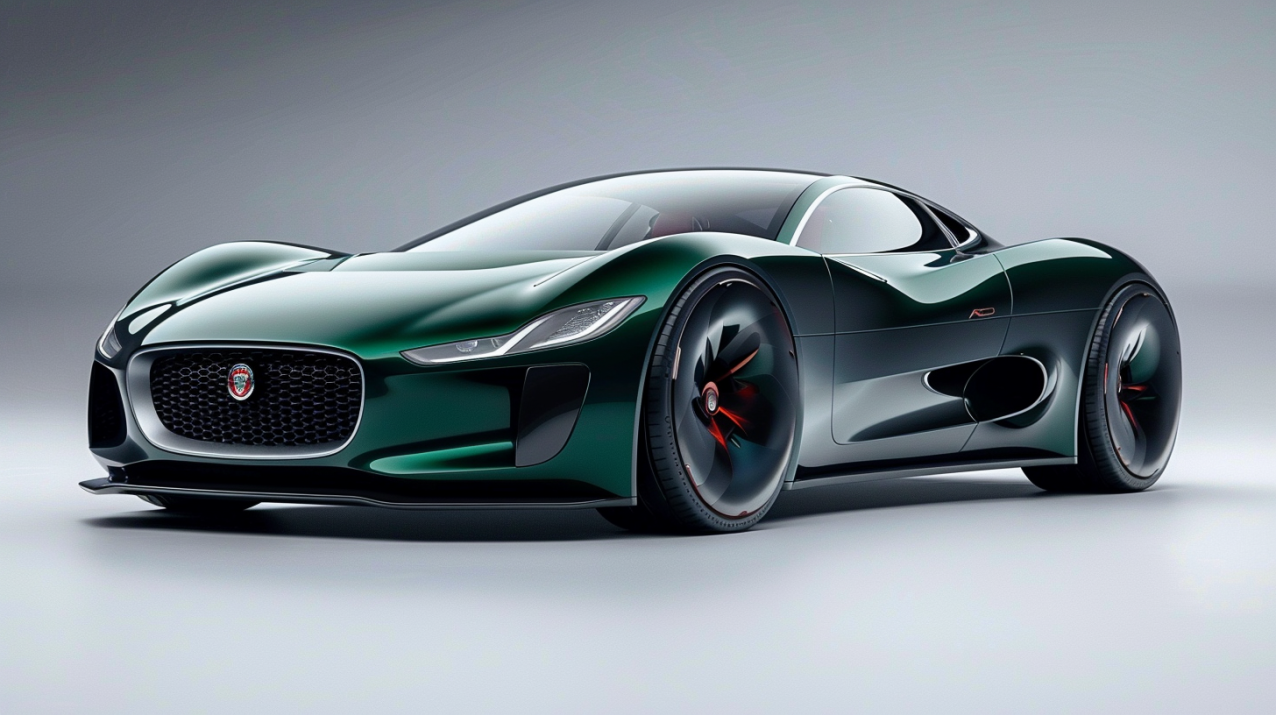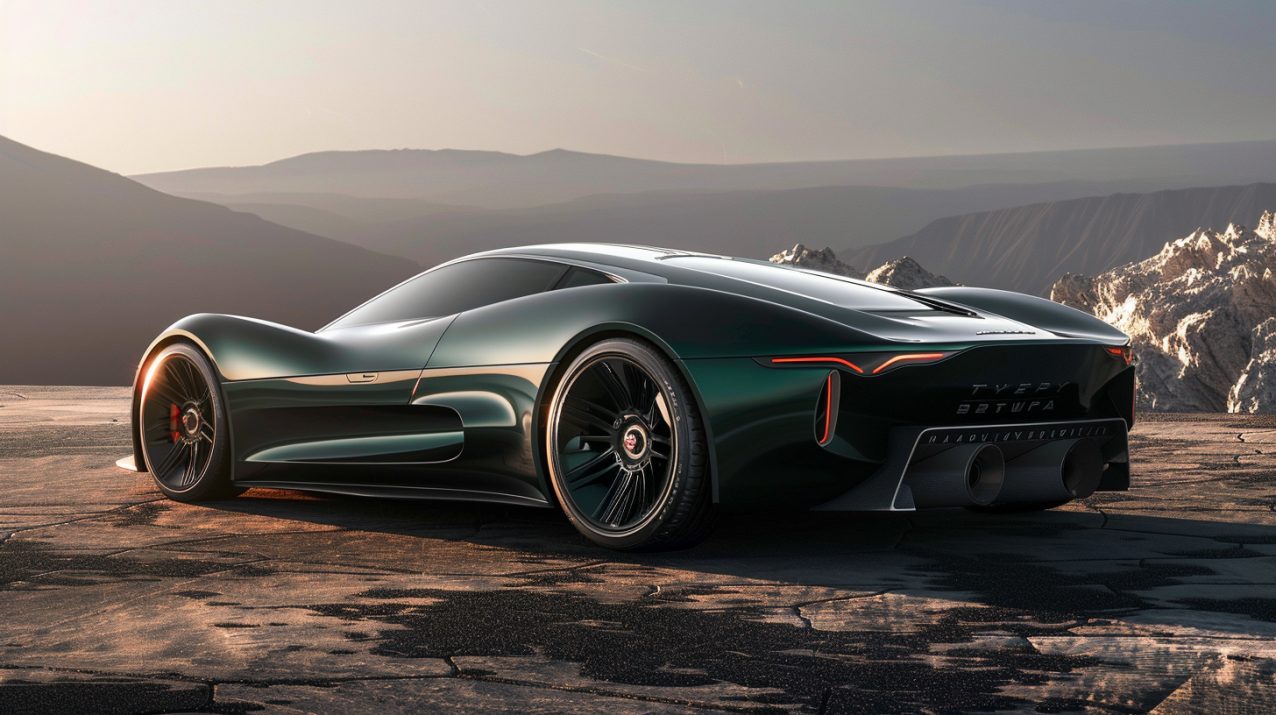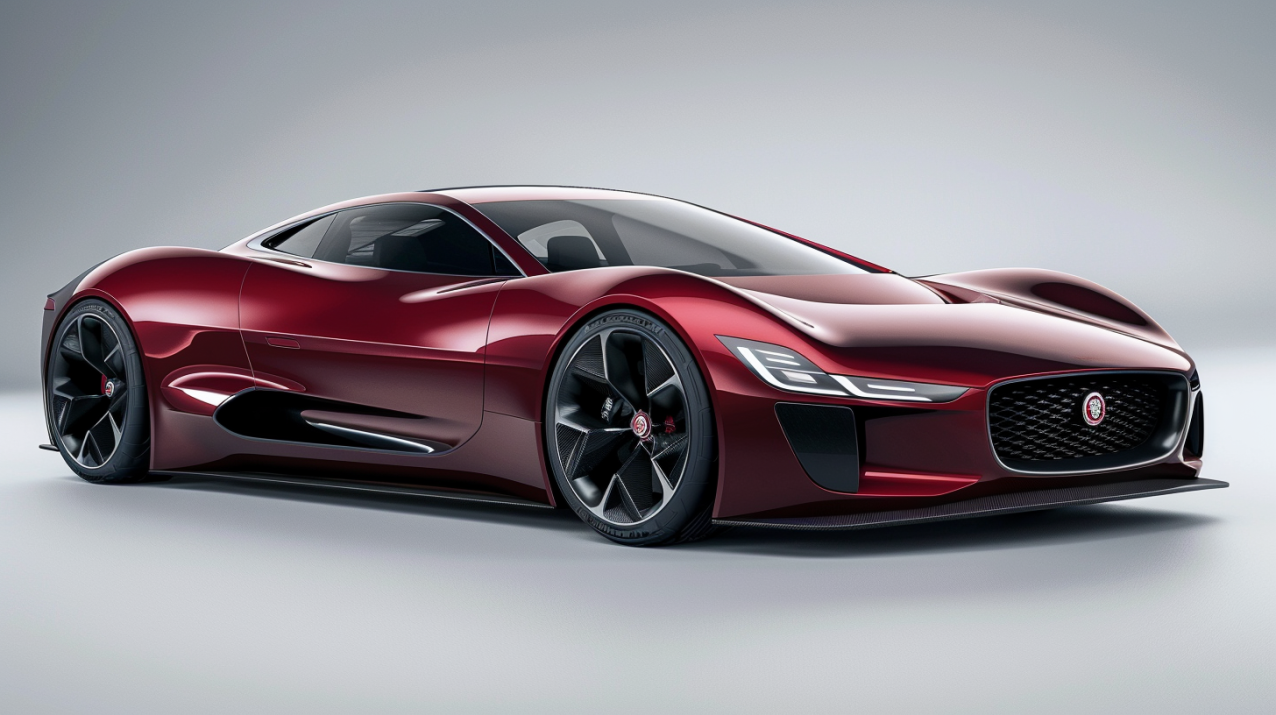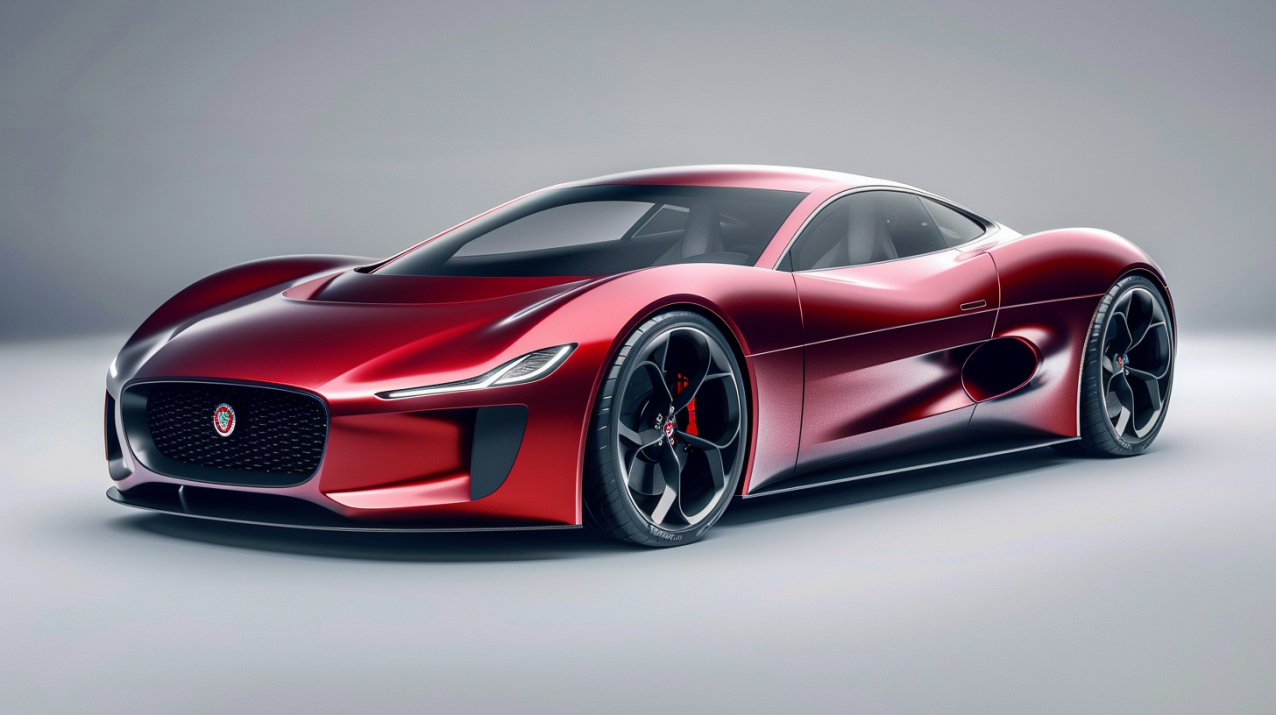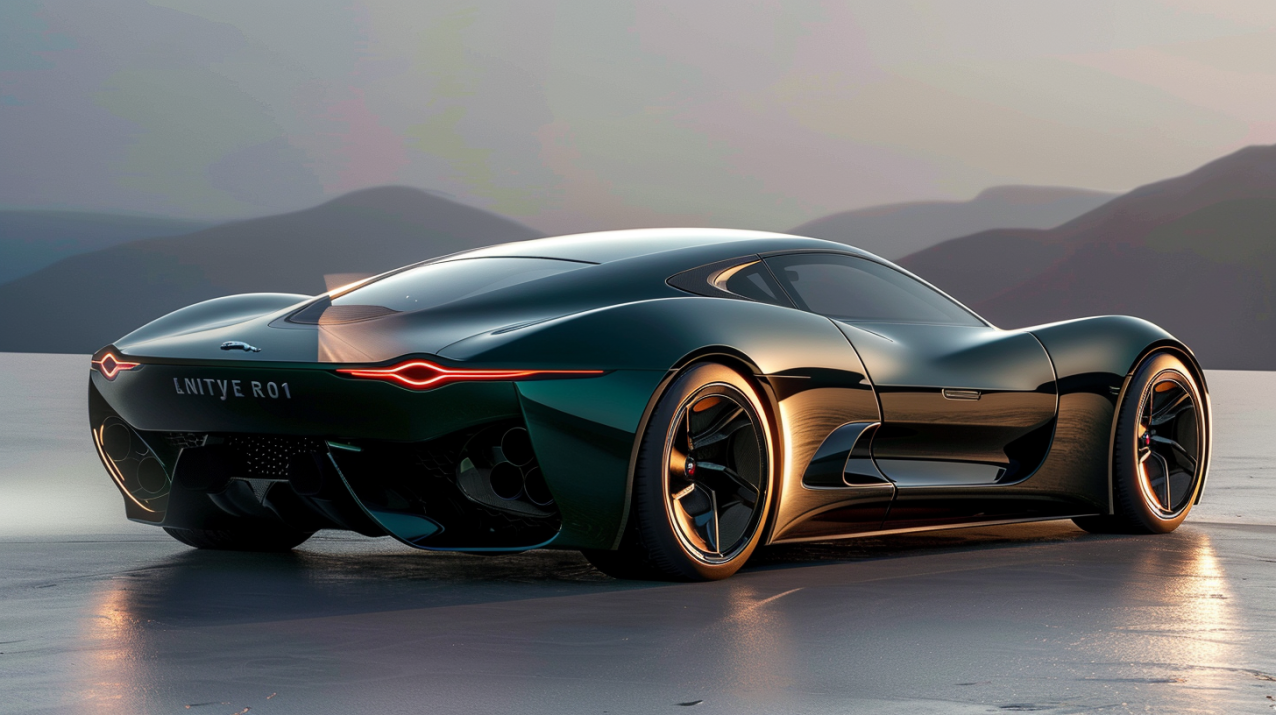
New Jaguar XJR-15 2026: classic with a modern twist

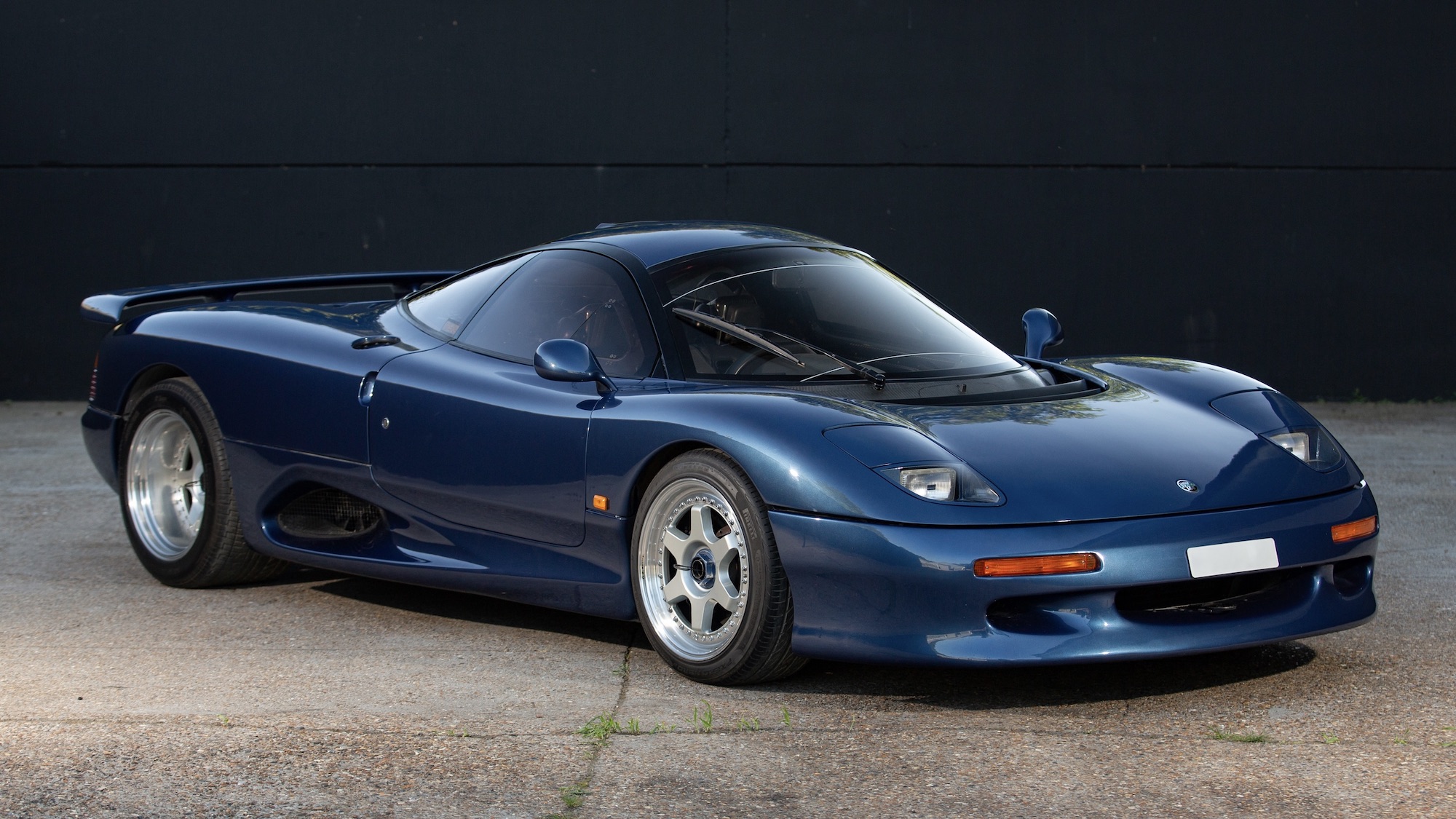
To begin with, the Jaguar XJR-15 appeared in the early 1990s as something completely abnormal for a road-going Jaguar. In essence, it was a Le Mans prototype, namely the XJR-9, which was, therefore, reluctantly adapted for public roads. From the very start, it was built specifically for JaguarSport clients who, above all, wanted a track weapon with absolutely zero compromises.

In contrast to the XJ220, nothing was disguised here. Right away, it became clear that comfort was not part of the plan. Underneath the carbon-fiber body, meanwhile, sat a naturally aspirated 6.0-liter V12 taken directly from the XJR-9 race car. There were no turbos and no electronic safety nets. As a consequence, the car weighed under 1,100 kg and, in practice, behaved like a full-blown endurance racer.

Furthermore, the XJR-15 became the first production road car with a full carbon-fiber monocoque. In fact, it achieved this well before the McLaren F1, yet without the marketing hype or global headlines. For that very reason, so few people even know it exists.

Nevertheless, the price was extreme, while the driving experience was brutally raw, and, at the same time, city use was borderline ridiculous. Ultimately, only 53 examples were built. At the time, this therefore looked more like an exotic experiment than a commercial success.

Today, however, the XJR-15 is regarded as a holy grail for collectors. Effectively, it isn’t a supercar at all, but rather a race car that, somehow, accidentally received license plates. And, in the end, Jaguars like this are gone for good.

Read too:
The new 2026 BMW 501: modern BMW 6 Neue Class?
Jaguar XJR-15
https://www.topgear.com/
Jaguar XJR-15 – Specifications:

Power
450 hp Acceleration
0–100 km/h: ~3.9 s Top Speed
307 km/h (191 mph) Engine
6.0L naturally aspirated V12 (derived from Jaguar XJR-9) Range
Not officially stated; realistically very limited, track-focused Dimensions
Length: ~4,390 mm
Width: ~1,980 mm
Height: ~1,050 mm
Weight: ~1,050–1,100 kg Technology
Full carbon-fiber monocoque
Race-derived suspension and aerodynamics
Manual transmission
Minimal electronics Additional Features
First road car with a full carbon monocoque
Extremely limited production (53 units)
Essentially a Le Mans prototype with license plates

Future Classics: 10/10

Brand Recognition: 8/10

Design Modernity: 8/10

CarsCorn Score: 8.7/10

Leave a Reply

Your email address will not be published. Required fields are marked *